Phase Converters for Machine Shops: Applications, Benefits, and Selection Tips
Machine shops often need three-phase electricity for equipment such as CNC mills, lathes, grinders, and compressors. However, many small shops, garages, and rural facilities only have single-phase utility service. Phase converters provide a practical way to operate compatible three-phase machinery without immediately upgrading utility service. They can support both traditional machine tools and modern CNC equipment when properly selected and installed. The right solution depends on motor horsepower, voltage, starting current, load characteristics, and the sensitivity of electronic controls. Understanding these factors helps U.S. machine shop owners choose suitable equipment while maintaining dependable performance and avoiding unnecessary electrical expenses.
Understanding Three-Phase Power Requirements
Three-phase power is widely used for industrial motors because it provides continuous power delivery and supports larger electrical loads. Machine shops commonly use three-phase motors in milling machines, turning centers, grinders, compressors, saws, and other equipment. Phase Converters can help provide the required three-phase power for certain machines when suitable utility power is unavailable. CNC machinery may also require carefully balanced electrical power because its drives, controls, and servo systems can be sensitive to voltage variations. Some equipment uses 208-volt three-phase power, while others may require 230, 460, or another specified voltage. Always check the machine nameplate and manual of the automation equipment manufacturer before selecting electrical equipment.
Common Machine Shop Applications
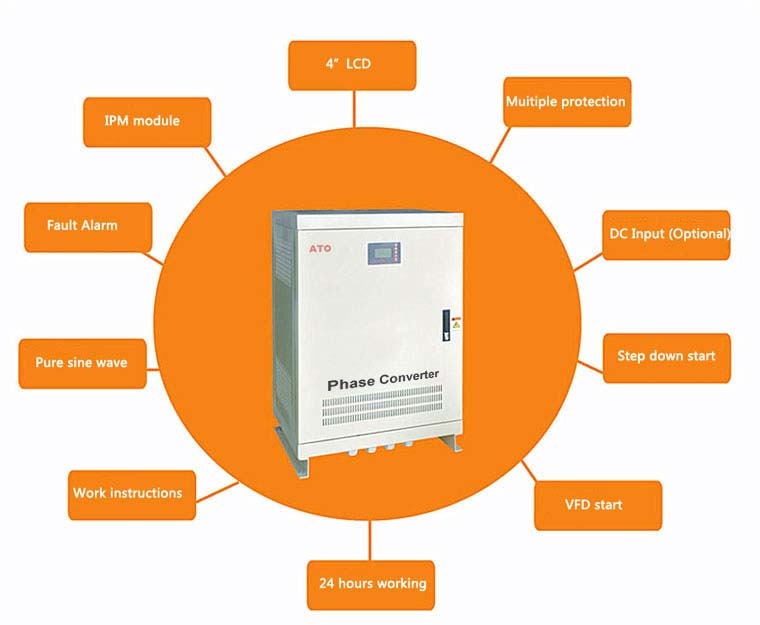
The main purpose of a phase converter is connecting single-phase utility service with equipment designed for three-phase operation. Applications vary considerably depending on the size and type of machinery installed. Small fabrication shops may operate only one mill or lathe, while production facilities can have several machines running throughout the day. A properly designed system can support multiple compatible loads through an appropriately sized electrical distribution arrangement. Manufacturers specifically identify CNC mills, lathes, grinders, routers, EDM equipment, welders, and other metalworking machines as common applications.
Equipment Commonly Powered
- CNC mills and vertical machining centers
- CNC and conventional metal lathes
- Surface and precision grinders
- Drill presses and milling machines
- Band saws and industrial saws
- Wire EDM and sinker EDM equipment
- Three-phase welders and plasma systems
- Industrial air compressors
How Phase Converters Support CNC Equipment
CNC machines place greater demands on electrical quality than many basic motor loads. A CNC system may contain spindle drives, servo motors, programmable controls, transformers, and other electronic components. Voltage imbalance or unstable power can contribute to faults, overheating, or inconsistent operation, depending on the machine design. For this reason, shop owners should never assume that every phase converter will work with every CNC machine. The machine manufacturer should be consulted regarding acceptable input voltage, phase balance, frequency, and converter compatibility. Quality power conversion is especially important when precision machining, automatic tool changes, and extended production cycles are involved.
Rotary, Digital, and Static Options
Different conversion technologies are available for machine shops, and each has different characteristics. Rotary designs commonly use an idler motor to create the additional phase and can support multiple motor loads when properly sized. Digital systems use electronic power conversion to create balanced three-phase output and may be appropriate for sensitive equipment. Static phase converters are generally simpler but may have limitations depending on the application and connected load. The choice should consider the entire electrical system rather than phase converter price alone. Shop owners should review motor starting requirements, continuous horsepower, voltage, duty cycle, electronic controls, and future equipment plans before purchasing a system.
Key Technology Differences
- Rotary systems are suitable for many multi-machine installations.
- Digital systems can provide carefully controlled three-phase output.
- Static systems may suit specific motor applications.
- CNC equipment may require tighter power-quality specifications.
- Phase converter technology should match the manufacturer’s requirements.
Benefits for U.S. Machine Shops
For many U.S. shops, converting existing single-phase service can provide greater flexibility when three-phase utility service is unavailable. This can be particularly useful for rural facilities, small commercial buildings, workshops, and industrial spaces where utility upgrades are expensive or impractical. A properly sized system can allow businesses to use machinery already designed for three-phase operation. It may also simplify future expansion when additional compatible machines are added. Some manufacturers design systems that can supply multiple machines from one appropriately sized installation. The actual financial benefit depends on installation costs, equipment requirements, utility service availability, and the shop’s expected electrical load.
Choosing the Correct Horsepower Rating
Horsepower is one of the most important considerations when selecting a phase converter, but it should not be the only measurement. The largest motor, starting current, simultaneous loads, and machine controls all affect sizing. A motor can require substantially more current during startup than during normal operation. Air compressors and high-inertia machinery can therefore create demanding starting conditions. If several machines may operate simultaneously, their combined electrical requirements must also be considered. Manufacturers provide different sizing approaches, so there is no universal multiplier that applies to every installation. Start with machine nameplate information and consult the phase converter manufacturer’s sizing guidance for the complete equipment list.
Information Needed for Sizing
- Motor horsepower and full-load amperage
- Input and output voltage requirements
- Number of machines operating simultaneously
- Motor starting characteristics
- CNC drives and electronic controls
- Expected continuous operating load
- Future equipment expansion plans
Voltage Balance and Power Quality
Voltage balance deserves particular attention in modern machine shops. Three-phase motors can experience additional heating when supplied with significantly unbalanced voltage. Sensitive CNC equipment may also respond poorly to unsuitable electrical conditions. Some manufacturers emphasize balanced output for spindle drives, servo systems, and electronic controls. However, acceptable limits depend on the specific machine and its manufacturer. Shop owners should therefore check technical documentation rather than relying on generic specifications. Measuring the output under realistic operating conditions can also help verify system performance. Proper grounding, protection, disconnects, wiring, and installation practices remain essential parts of a complete electrical design.
Managing Multiple Machines
A growing machine shop may eventually operate several three-phase machines from one electrical system. This can include a CNC mill, conventional lathe, grinder, compressor, and other support equipment. In these situations, the phase converter should be evaluated according to the loads that can operate at the same time. A properly designed distribution system can provide separate branch circuits and appropriate protection for individual machines. However, simply adding machines without reassessing capacity can create electrical problems. Shop owners should document each machine’s horsepower, voltage, amperage, and expected operating schedule. This information gives an electrician or qualified equipment specialist a clearer picture of the shop’s actual demand.
Installation and Electrical Safety
Electrical installation should be treated as a critical part of the project. The phase converter, disconnects, conductors, breakers, grounding, and machine connections must be appropriate for the installation. Local electrical requirements may also apply depending on the building, jurisdiction, and equipment. OSHA emphasizes that machine operators should have appropriate controls for shutting off machine power from their operating position. Machine guarding and electrical safety should therefore be considered together rather than separately. For complex installations, working with a qualified electrician can reduce wiring mistakes and help ensure that the system matches the machine manufacturer’s requirements. Never modify electrical connections based solely on assumptions about voltage or phase configuration.
Selection Tips for Shop Owners
Selecting a phase converter becomes easier when the decision starts with the machines instead of the product catalog. Create a complete equipment list and record the electrical information from every nameplate. Identify which machines have sensitive electronics and which motors create demanding startup loads. Next, determine whether one converter will serve multiple machines or whether individual systems make more sense. Compare continuous capacity, starting capability, voltage balance, enclosure requirements, installation needs, warranty coverage, and manufacturer support. It is also useful to consider future machinery purchases. Choosing a system with reasonable capacity for planned growth can prevent another electrical upgrade when the shop expands.
Practical Selection Checklist
- Confirm the machine’s required voltage and frequency.
- Record horsepower and full-load amperage.
- Identify CNC controls and sensitive electronics.
- Calculate expected simultaneous operating loads.
- Check starting-current requirements.
- Review phase converter output specifications.
- Confirm enclosure and installation requirements.
- Ask the manufacturer about machine compatibility.
Maintenance and Long-Term Reliability
Regular maintenance depends on the phase converter technology and installation design. Rotary equipment may contain moving components that require inspection, while electronic systems can have different service requirements. Shop owners should follow the manufacturer’s maintenance schedule and keep electrical connections properly maintained. Unusual vibration, overheating, noise, repeated machine faults, or unexpected breaker trips should receive prompt attention. Dust and metal particles can also create challenging conditions inside machine shops, making appropriate enclosure protection important. Keeping service records can help identify recurring problems and support preventive maintenance. Reliable electrical equipment is particularly valuable in production environments because unexpected downtime can interrupt machining schedules and delay customer orders.
FAQs
Why do machine shops need three-phase electricity?
Three-phase electricity is commonly used for industrial motors and machinery. It supports many CNC machines, lathes, mills, grinders, compressors, and other equipment. Three-phase systems can efficiently supply larger motor loads and are widely used throughout industrial facilities. However, the exact electrical requirement depends on each machine’s design. Always check the equipment nameplate and manufacturer’s documentation before connecting machinery to any electrical supply.
What should I check before buying a phase converter?
Check voltage, frequency, horsepower, amperage, starting requirements, and load type. Also identify whether your machine contains CNC controls, servo drives, or other sensitive electronics. If multiple machines will operate together, include their expected simultaneous loads. The phase converter should be selected according to the complete electrical application rather than horsepower alone.
How do I size a phase converter for my machine shop?
Start by listing every machine that may operate from the system. Record each motor’s horsepower, voltage, amperage, and starting characteristics. Identify the largest motor and determine which loads can start simultaneously. Then use the phase converter manufacturer’s sizing guidance or consult a qualified electrical professional. Different applications can require different sizing approaches.
Where can machine shops use converted three-phase power?
Converted three-phase power can support many compatible machines, including CNC mills, lathes, grinders, drill presses, compressors, EDM equipment, and fabrication machinery. It can be particularly useful where a facility has single-phase utility service but needs three-phase equipment. Compatibility should always be verified before installation.
Why is voltage balance important for CNC machines?
Balanced voltage helps three-phase motors and sensitive electronic equipment operate within their intended electrical conditions. Significant imbalance can contribute to heating, faults, or unreliable operation depending on the equipment. CNC manufacturers may specify particular input tolerances, so those requirements should guide phase converter selection.