Sterility Assurance Methods for Containers Used in Regulated Pharmaceutical and Biotech Environments
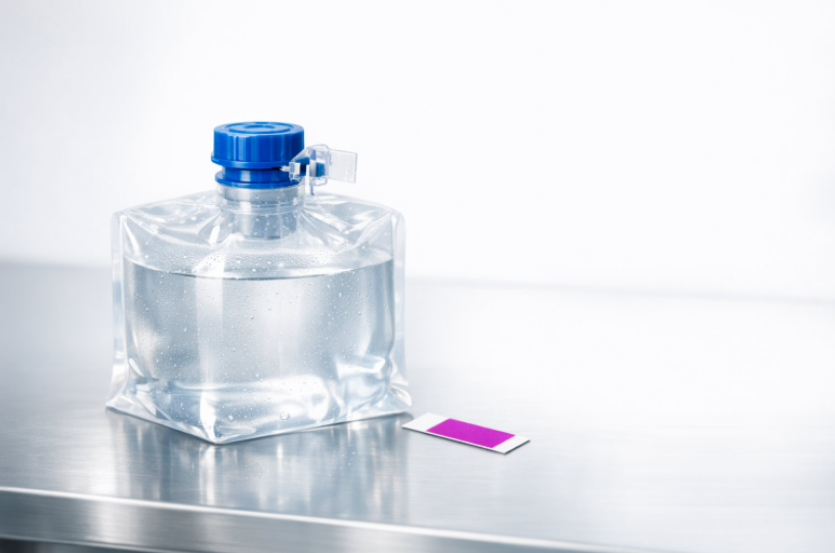
Sterility assurance is a foundational aspect of pharmaceutical and biotechnology manufacturing, where any break can have serious consequences. Maintaining sterile conditions in containers is essential for safeguarding patient health and protecting investments in research and production. Complex regulatory demands require multilayered controls to prevent contamination and meet industry expectations.
Preventing microbial contamination in regulated environments depends heavily on robust approaches to sterility, especially regarding bioprocess containers, which play pivotal roles throughout research and production. These systems require careful design and process management to address the strict standards demanded for patient safety and product quality. Understanding how sterility assurance works helps clarify both the challenges and solutions facing pharmaceutical and biotech professionals. The integrity of these efforts underpins successful and compliant biopharmaceutical operations.
Drivers for sterility assurance in regulated sectors
Within regulated pharmaceutical and biotech environments, patient safety remains the key motivator behind sterility assurance strategies. Contaminated containers can compromise therapeutic effectiveness and introduce risks to vulnerable populations, making rigorous sterility programs vital.
Contamination does not only pose health risks; it can also disrupt the continuity of research and production. Interruptions due to contamination may lead to discarded batches, investigation procedures, and costly production delays, adversely affecting overall workflow and investment returns within bioprocessing operations using specialized containers.
Fundamental concepts and common terminology explained
Sterility refers to the complete absence of viable microorganisms within a container, while cleanliness represents the removal of visible contaminants and particulates. Although related, sterility and cleanliness serve distinct functions in regulated production settings involving container use.
Bioburden control describes the management of microorganisms present prior to sterilization, minimizing the risk of post-process contamination in pharmaceutical and biotech containers. The sterility assurance level defines the statistical probability that a single unit is sterile, guiding risk-based decisions without requiring complex calculations for effective planning of container use and safety.
Vulnerabilities and risk factors in contamination control
Numerous contamination pathways arise during handling, when containers are opened or connected to process lines. Each transfer, sampling event, or storage condition can create new opportunities for microorganisms to enter, challenging existing controls for containers used in regulated environments.
Additionally, improper handling techniques and insufficient environmental controls elevate risk during critical activities with containers and related process equipment. Human error and lapses in standard procedure further highlight the need for robust training and rigorous environment monitoring to maintain consistent outcomes and prevent breaches of container sterility.
Approaches to sterilization and ongoing validation needs
Widely adopted sterilization methods include steam sterilization, gamma irradiation, and chemical decontamination. Each approach must be chosen based on container material compatibility, process requirements, and turnaround expectations, with validation serving as a basis for method selection.
Validation and ongoing quality oversight remain central to ensuring sterile outcomes in container applications. Process validation establishes the reliable effectiveness of sterilization cycles for containers and closures, while lot traceability, change control, and comprehensive record-keeping form the backbone of a strong documentation culture. Supplier quality management and thorough incoming inspection integrate into broader sterility assurance strategies in bioprocessing facilities, helping to identify and mitigate risks before containers enter sensitive workflows.
Testing, monitoring, and design practices supporting sterility
Routine monitoring uses bioburden testing to assess pre-sterilization contamination, while sterility testing confirms the success of sterilization steps applied to containers and systems. Integrity testing verifies container closure systems, and environmental monitoring tracks microbial control in cleanrooms to detect deviations from established trends. These practices are especially important because microbial contamination in sterile products can create serious risks during healthcare and pharmaceutical use.
Design features such as closed processing, appropriate connectors, and minimal intervention technologies reinforce sterile barriers in container systems used for pharmaceuticals and biotechnology. Standardized procedures and comprehensive staff training further reduce the likelihood of inadvertent contamination, contributing to sustained sterility throughout the production cycle.
As manufacturing operations scale, maintaining sterility in containers remains an ongoing challenge. Digital traceability and automated data capture now play growing roles in supporting compliance, analytics, and rapid deviation detection, helping facilities keep pace with evolving regulatory requirements while strengthening overall control of container sterility.
The success of sterility assurance in regulated pharmaceutical and biotech environments relies on a layered strategy focused on container integrity. By integrating validated container designs, robust monitoring, process oversight, and informed staff, facilities can consistently uphold the high standards essential for safe and effective biopharmaceutical production.