Understanding the impact of nicotine pouches on public health
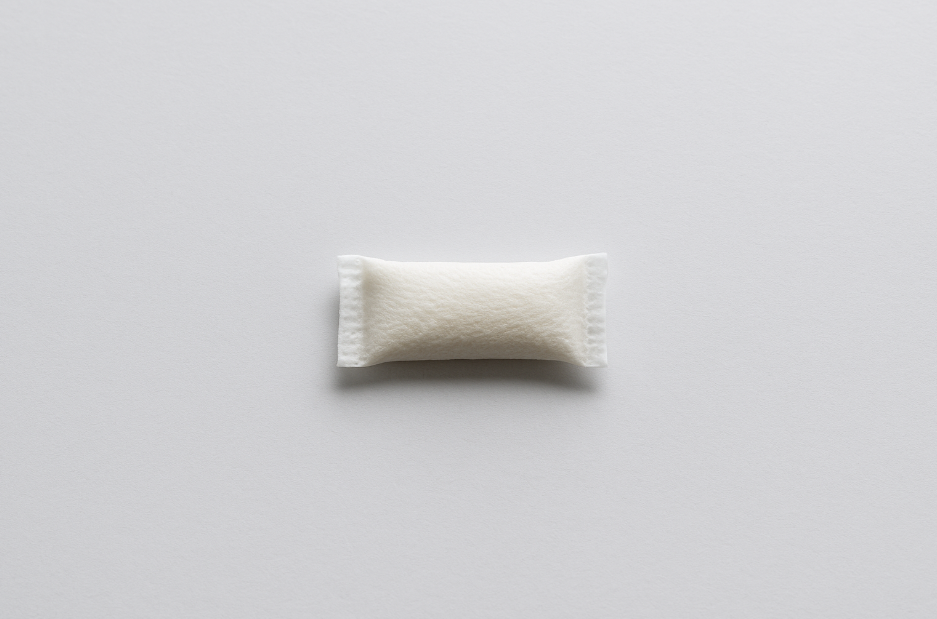
Nicotine pouches are becoming a popular alternative to traditional tobacco products. They offer a smokeless option that may reduce exposure to harmful chemicals. As their popularity grows, it is important to consider their implications for public health.
Nicotine pouches are gaining attention as a modern alternative to traditional tobacco products. Unlike cigarettes, these pouches do not involve combustion, which may reduce exposure to harmful chemicals. This shift has sparked interest in their potential impact on public health, particularly in terms of smoking cessation and harm reduction. As these products become more popular, understanding their role in reducing smoking rates and associated health risks is crucial. For those exploring smokeless options, nicotine pouches offer a promising alternative.
The role of nicotine pouches in smoking cessation
Nicotine pouches are increasingly being used as a tool for smoking cessation. They provide a convenient, smokeless option that appeals to smokers looking for alternatives without the negative effects of inhaled smoke. Current research is exploring their effectiveness compared to traditional cessation methods like nicotine gum or patches. Some users find pouches more satisfying due to their discreet use and flavor variety.
Despite promising findings, the effectiveness of nicotine pouches in aiding smoking cessation is still under investigation. Researchers are examining whether these pouches can provide the necessary nicotine satisfaction to deter individuals from returning to smoking. By offering a non-combustible option, they may appeal particularly to those who struggle with quitting through conventional methods. Further insights into long-term success rates will be essential.
Harm reduction potential of nicotine pouches
Harm reduction is a central concept in public health discussions around nicotine pouches. These products potentially offer reduced harm by eliminating the combustion process associated with smoking. They are often compared to other non-combustible products like e-cigarettes, which also aim to lower health risks for users unable or unwilling to quit nicotine entirely.
Opinions vary on whether nicotine pouches significantly reduce harm compared to cigarettes. While they may be less harmful than traditional tobacco, the complete absence of risk has not been proven. The debate continues as researchers evaluate the long-term impact on health and addiction patterns among users. However, for many, these pouches represent a step toward minimizing tobacco-related harms.
Public health considerations and regulatory approaches
The introduction of nicotine pouches raises several public health considerations that policymakers must address. While they may offer benefits in reducing smoking prevalence, there are concerns about potential youth uptake and addiction risks. Regulations play a critical role in balancing accessibility with appropriate safeguards to protect vulnerable populations.
Regulatory frameworks are being developed to manage the use and distribution of nicotine pouches effectively. These regulations could include age restrictions, marketing guidelines, and labeling requirements to ensure consumer safety and informed choices. Public health strategies must evolve alongside these products to maximize benefits while minimizing potential harms. As part of this evolving landscape, Zyn nicotine pouches are gaining attention for their role in harm reduction strategies.